
Nurse clinics in general practice
Supporting proactive, team-based care
General practice is at the centre of primary care in Australia. It is also managing increasing patient complexity,
workforce pressure and growing expectations for prevention, chronic disease management and continuity of care.
Nurse clinics can help practices respond to these pressures by creating structured, nurse-led or nurse-coordinated
models of care for defined patient groups or health needs.
A nurse clinic does not replace medical care. It strengthens the team around the patient by making better use of nursing
capability, improving care coordination and creating more consistent pathways for prevention, education, review and
follow-up.
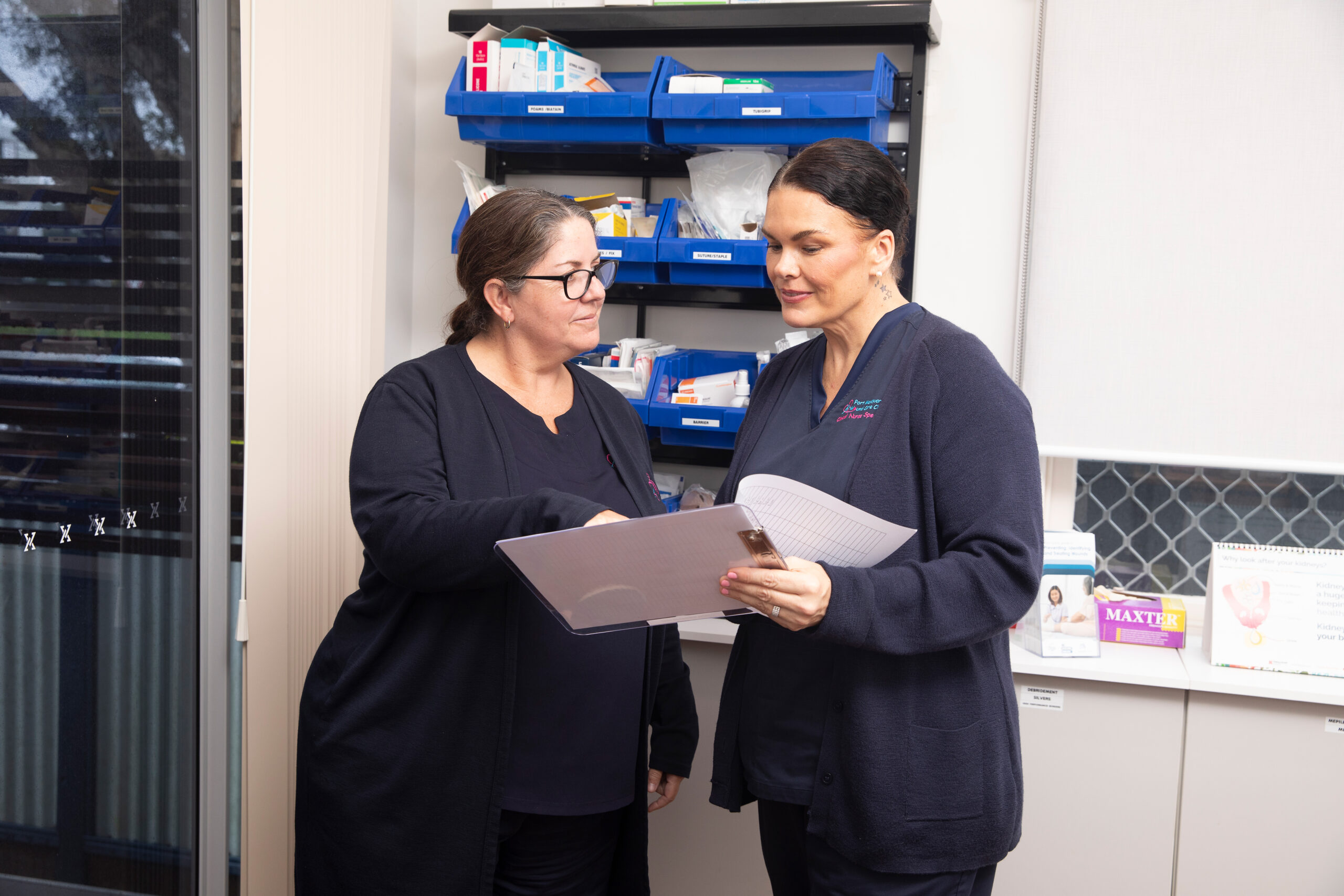
Why nurse clinics matter to doctors
Doctors remain essential to diagnosis, prescribing, escalation and complex clinical decision-making. Nurse clinics can
support doctors by improving the way patients are prepared, educated, reviewed and followed up between medical
consultations.
A well-designed nurse clinic can help doctors by:
- Supporting earlier identification of risk.
- Improving patient education and self-management.
- Creating more consistent follow-up for chronic and complex conditions.
- Reducing avoidable gaps in care.
- Improving communication across the care team.
- Enabling GPs to focus their time where medical input is most needed.
Nurse clinics work best when clinical roles are clear, escalation pathways are agreed and the whole team understands how
the model supports patient care.
Hear from a GP about how nurse clinics can support proactive care, strengthen the patient experience and make better use of the skills across the practice team.
Why nurse clinics matter to practice managers
Practice managers play a critical role in turning a good clinical idea into a service that can work in daily practice.
A nurse clinic needs more than clinical capability. It also needs a clear business case, room use, appointment
structure, billing or funding model, reception workflows, patient communications, data capture, risk management and
evaluation.
Practice managers can support nurse clinics by helping to:
- Assess patient demand and service gaps.
- Test the financial model.
- Allocate rooms, appointment types and administrative support.
- Clarify team roles and workflows.
- Monitor sustainability and reporting requirements.
- Support communication with patients and referrers.
When practice managers are involved early, nurse clinics are more likely to be practical, sustainable and integrated
into the business of the practice.
What makes an integrated nurse clinic work?
In general practice, nurse clinics work best when they are part of the broader care model rather than a disconnected
activity.
Strong integrated models usually include:
- A clear patient group or health need.
- Agreed roles for nurses, GPs, reception and management.
- Documented clinical pathways and escalation points.
- A funding and budget plan.
- Patient information and consent processes.
- Shared records and good communication.
- A plan for evaluation and quality improvement.
The aim is not to fragment care. The aim is to use the right skills at the right time, with the whole team working from
the same plan.
Next steps
If your practice is considering a nurse clinic, start by identifying the patient group, the nurse capability, the team roles and the funding model.